
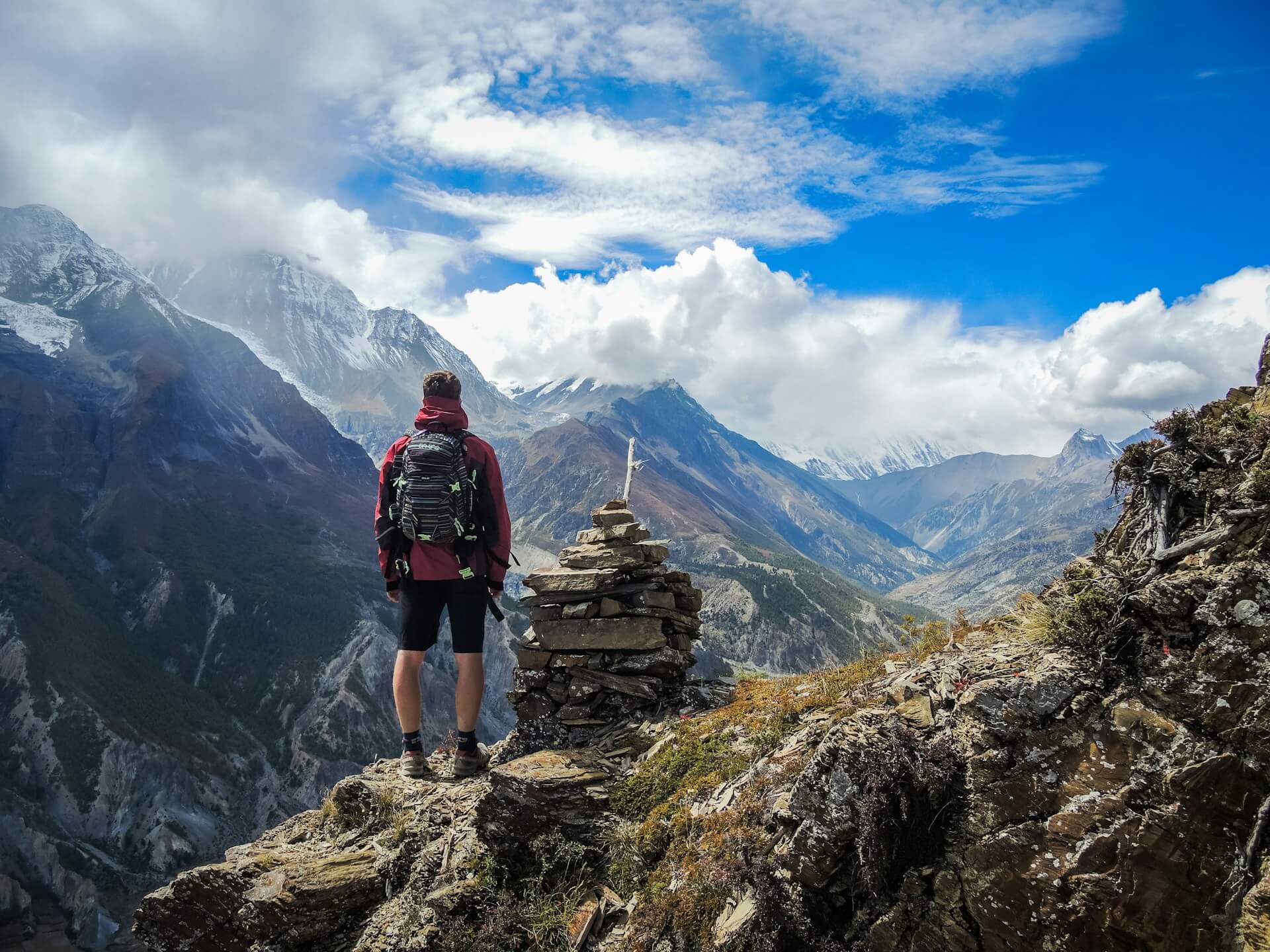
Understanding Annapurna Circuit Trekking
Annapurna Circuit Trekking is one of the most popular and beautiful treks in Nepal. The trek takes you through the stunning Annapurna mountain range, passing through valleys, rivers, forests, and traditional villages. Along the way, you will experience unique cultures, see beautiful landscapes, and witness breathtaking views of the Himalayas. The trek is not only a great adventure but also a chance to learn about the rich history and traditions of the people living in the region.
If you are considering going on the Annapurna Circuit Trekking, this blog will help you understand everything you need to know about this amazing journey.
What is Annapurna Circuit Trekking?
Annapurna Circuit Trekking is a journey that takes you around the Annapurna mountain range. The trek is famous for its beautiful views of snow-capped mountains, rivers, waterfalls, and green valleys. It is a loop-style trek, which means you start in one place and end in the same place, passing through different routes along the way.
The trek takes you through several villages where you can interact with the local people and learn about their lifestyle. You will also get the chance to experience the natural beauty of the Himalayas, as well as the challenges of high-altitude trekking. The highest point of the trek is the Thorong La Pass, which stands at 5,416 meters (17,769 feet). Crossing this pass is one of the main highlights of the Annapurna Circuit Trekking.
Why is Annapurna Circuit Trekking Popular?
The Annapurna Circuit Trekking is popular for many reasons. First, it offers a diverse range of landscapes, from subtropical forests to alpine meadows and high mountain deserts. This variety makes the trek interesting and beautiful at every step. The trek also provides stunning views of some of the highest mountains in the world, including Mount Annapurna, Dhaulagiri, and Machapuchare.
Another reason for the popularity of the Annapurna Circuit Trekking is the opportunity to experience the culture of the local people. The trek passes through many villages where you can meet the Gurung, Magar, and Thakali people, who have their own traditions, language, and way of life. The hospitality of the people is something that trekkers remember long after their journey ends.
Finally, the Annapurna Circuit Trekking is known for its relatively easy access from Kathmandu, the capital of Nepal. It is also one of the most well-maintained trekking routes, making it suitable for people of different fitness levels.
When is the Best Time for Annapurna Circuit Trekking?
The best time to go on the Annapurna Circuit Trekking is during the spring (March to May) and autumn (September to November). These months offer the best weather conditions, with clear skies, moderate temperatures, and great visibility of the mountains. Spring brings beautiful flowers and lush green landscapes, while autumn is ideal for trekking with dry weather and comfortable temperatures.
Winter (December to February) can be very cold, especially at higher altitudes. Snow and ice can make the trail slippery and difficult to navigate, especially at the Thorong La Pass. The summer monsoon season (June to August) brings heavy rain, which can make the trail muddy and difficult. The risk of landslides is also higher during this time.
Difficulty Level of Annapurna Circuit Trekking
The Annapurna Circuit Trekking is considered a moderate to challenging trek. The trek is long, and the terrain can be difficult, with steep uphill climbs and rocky paths. However, the trek is well-established, and the routes are clearly marked, making it easier for trekkers to follow.
The most challenging part of the Annapurna Circuit Trekking is the Thorong La Pass. The altitude at the pass is over 5,400 meters, which means the air is thinner, and breathing becomes more difficult. Altitude sickness is a real concern, and it is important to take your time and rest to allow your body to adjust to the high elevation.
To make the trek easier, it is recommended to take things slow, drink plenty of water, and rest when needed. You should also spend a day or two at lower altitudes before crossing the Thorong La Pass to help your body acclimatize to the higher elevation.
What to Pack for Annapurna Circuit Trekking?
Packing for the Annapurna Circuit Trekking is an important part of your preparation. The trek takes you through different types of environments, from hot and humid valleys to cold, high-altitude regions. Here are some things you should pack for the trek:
- Trekking boots: Good quality, comfortable boots are essential for walking on rocky and uneven paths.
- Warm clothing: Even though it may be warm in the lower regions, the weather can get very cold at higher altitudes, so it’s important to bring layers of warm clothing.
- Sleeping bag: A good sleeping bag is necessary, especially in the higher areas where it gets cold at night.
- Water bottle: It is important to stay hydrated, so bring a reusable water bottle and water purification tablets or a filter.
- Headlamp: A headlamp or flashlight is useful when walking in the dark or in the early morning hours.
- Sunscreen and sunglasses: The sun can be strong, even in the mountains, so protect your skin and eyes with sunscreen and sunglasses.
- First aid kit: Bring a small first aid kit with basic supplies like bandages, pain relievers, and any personal medications you may need.
Pack light and only bring what you need. Many trekkers find that they over-pack and struggle to carry unnecessary weight.
What to Expect on the Annapurna Circuit Trekking
The Annapurna Circuit Trekking offers an amazing adventure, and you will experience a wide range of things along the way. Here are some of the things you can expect during your trek:
- Beautiful landscapes: From lush forests and terraced fields to snow-capped peaks, the views are stunning throughout the trek. You will also pass through several waterfalls and rivers, adding to the beauty of the surroundings.
- Cultural encounters: You will pass through traditional villages where you can meet local people and learn about their culture and way of life. The people in the Annapurna region are friendly and welcoming, and many of them speak English, so communication is easy.
- Trekking through high-altitude landscapes: As you get closer to the Thorong La Pass, you will notice the environment becoming more rugged and less populated. You will walk through alpine meadows, rocky paths, and high-altitude deserts before finally reaching the pass.
- Tea houses: Along the trek, there are tea houses where you can rest, eat, and stay overnight. These tea houses offer simple but delicious meals like dal bhat (lentil soup with rice) and momos (dumplings). The tea houses also provide a warm place to relax and meet fellow trekkers.
Staying Healthy During the Trek
During the Annapurna Circuit Trekking, it’s important to stay healthy. The biggest health risk during the trek is altitude sickness, which can affect anyone, regardless of their fitness level. To prevent altitude sickness, it is essential to:
- Walk slowly: Take your time and avoid rushing. This will help your body adjust to the thinner air at higher altitudes.
- Stay hydrated: Drink plenty of water throughout the day to stay hydrated and avoid dehydration.
- Eat well: Eating healthy food will give you the energy you need for the trek. The tea houses offer a variety of local and international dishes, so you can enjoy good food during the trek.
- Rest: If you feel tired, it’s important to rest and let your body recover. Make sure you get enough sleep each night to stay energized.
How to Book Annapurna Circuit Trekking
Booking the Annapurna Circuit Trekking is easy. You can either book a package through a trekking company or organize the trek on your own. Most trekkers prefer to go with a guide or porter, especially if they are new to trekking, as the guide can help with navigation and assist with communication with local people.
If you book through a trekking company, they will take care of your permits, transportation, and accommodations along the way. You can also choose a package that includes food and drinks.
Cost of Annapurna Circuit Trekking
The cost of Annapurna Circuit Trekking depends on several factors, such as the type of package you choose, the duration of the trek, and whether you hire a guide or porter. On average, the trek can cost between $800 to $1,500 for a 14-day trek. This cost includes transportation, permits, accommodation, and food. You will also need to budget for personal expenses and tips for your guide and porter.
Conclusion
The Annapurna Circuit Trekking is a truly unforgettable adventure. It offers a mix of stunning natural beauty, cultural experiences, and physical challenges. Whether you are an experienced trekker or a beginner, this trek is something everyone should consider. With proper preparation, patience, and the right attitude, the Annapurna Circuit Trekking will be a journey you will never forget.
