
Everything You Need to Know About Everest Base Camp Trekking
Everest Base Camp Trekking is one of the most exciting and rewarding adventures you can take. It takes you deep into the mountains of Nepal, to a place that is famous all over the world – Everest Base Camp. This trek is not just about reaching the base camp of the highest mountain in the world, but it’s also about the beautiful views, the incredible people you meet, and the exciting adventure along the way.
If you are thinking about going on the Everest Base Camp Trekking adventure, here is everything you need to know to help you prepare.
What is Everest Base Camp Trekking?
Everest Base Camp Trekking is a journey that takes you to the base camp of Mount Everest, the highest mountain in the world. The trek is about 12-14 days long, depending on how fast or slow you want to go. You will start in Kathmandu, the capital of Nepal, and travel to Lukla, a small town in the mountains, where the trek officially begins.
From Lukla, you will walk for several days, passing through beautiful Sherpa villages, forests, and valleys. The trek takes you to an altitude of around 5,364 meters (17,598 feet) at Everest Base Camp, where you can get a close-up view of Mount Everest. The journey is not easy, but it’s definitely worth the effort.
Why Should You Do the Everest Base Camp Trekking?
The Everest Base Camp Trekking is popular for many reasons. First, you get to see Mount Everest, which is something many people dream about. Second, you get to experience the local culture of the Sherpa people, who live in the Everest region. Third, you will be walking through some of the most beautiful landscapes in the world, with views of giant mountains, glaciers, and deep valleys. The journey is tough, but it is also very rewarding.
The trek is not just for experienced trekkers. Many people, even those with no trekking experience, do it every year. The key to success on the trek is proper preparation, pacing yourself, and taking your time to adjust to the high altitude.
Best Time for Everest Base Camp Trekking
The best time to go on Everest Base Camp Trekking is during the spring (March to May) or autumn (September to November). During these times, the weather is the most stable, and you’ll have clear skies and warm temperatures. This is also the time when the views of the mountains are the best.
In the winter (December to February), it can be very cold, and some of the trekking paths may be covered in snow, making it harder to walk. The summer months (June to August) bring the monsoon season, which means rain and muddy trails. If you want to avoid bad weather and enjoy the best views, spring and autumn are the best times to go.
Difficulty Level of Everest Base Camp Trekking
The Everest Base Camp Trekking is considered a moderate to challenging trek. The trek itself is not too hard in terms of physical effort, but the biggest challenge is the altitude. You will be walking at higher altitudes, where there is less oxygen. This can make it harder to breathe and can cause altitude sickness.
Altitude sickness happens when your body has trouble adjusting to the thinner air. To avoid this, it is important to walk slowly, take plenty of rest breaks, and drink lots of water. It is also recommended to spend a day or two at certain points along the trek to let your body get used to the altitude. This is called acclimatization.
The highest point of the trek is Kala Patthar, which is at 5,545 meters (18,192 feet), just above Everest Base Camp. You will be walking for several hours each day, and some days can be very long, but the views and the sense of achievement are worth it.
What to Pack for Everest Base Camp Trekking
Packing for Everest Base Camp Trekking is important. You need to be prepared for both warm and cold weather because the temperature can change quickly as you go higher. Here are some of the most important items you should bring:
- Trekking boots: Good, sturdy boots are essential for walking on rocky and uneven terrain.
- Warm clothes: Even in the warmer months, the weather can get very cold at higher altitudes.
- Sleeping bag: A good sleeping bag is necessary, especially when staying in tea houses or lodges.
- Water bottle: Staying hydrated is very important, so bring a reusable water bottle and water purification tablets.
- Headlamp or flashlight: It can get dark early in the mountains, so bring a reliable headlamp.
- Sunscreen: Even in cold weather, the sun can be very strong at high altitudes, so pack sunscreen to protect your skin.
- First aid kit: Bring some basic medical supplies, including any personal medications.
It’s also a good idea to pack light. Many people make the mistake of packing too much, but remember, you will be carrying everything on your back or having a porter carry it for you. Try to pack only what is necessary.
What to Expect During the Trek
The Everest Base Camp Trekking is an adventure that will take you through several small villages, forests, and across rivers. The trekking trail is well-marked, so it’s easy to follow, but it can be steep and tiring at times. Some of the things you will experience during the trek include:
- Beautiful villages: You will pass through many Sherpa villages like Namche Bazaar, Tengboche, and Lukla, where you can learn about the local culture and enjoy warm hospitality.
- Tea houses: Along the trail, there are tea houses where you can rest, eat, and stay overnight. These tea houses are simple but comfortable, and they serve local food like dal bhat (lentil soup with rice) and momochas (dumplings).
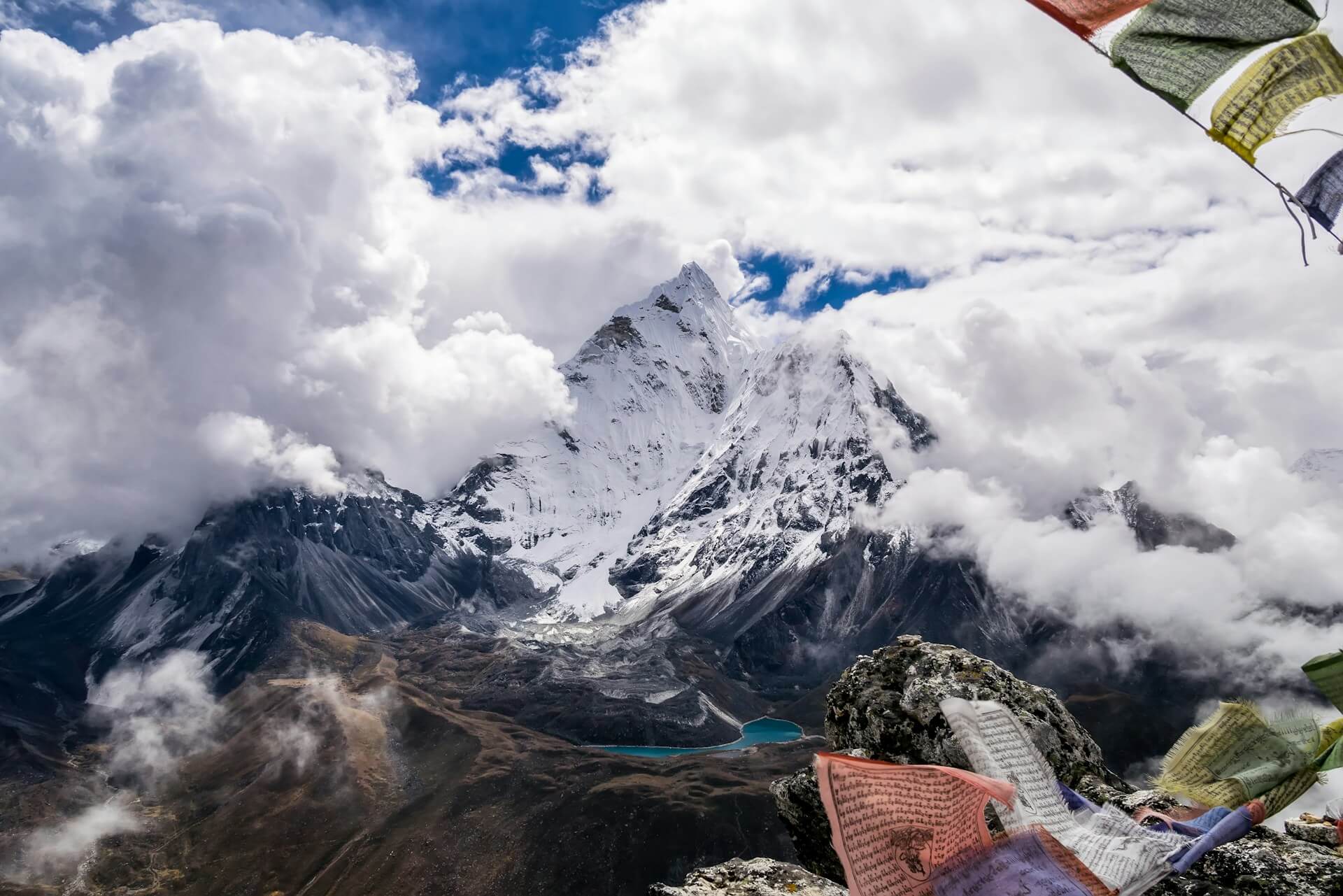
- Amazing views: The higher you go, the better the views. You will see snow-capped mountains, glaciers, and deep valleys. Some of the mountains you will see include Mount Everest, Lhotse, Nuptse, and Ama Dablam.
- Wildlife: The area is home to some wild animals like yaks, monkeys, and pheasants.
You will also meet many people along the way, including trekkers from around the world and local Sherpa guides and porters. They are always friendly and ready to help.
Staying Healthy on the Trek
It’s very important to stay healthy during the Everest Base Camp Trekking. The most common problems trekkers face are altitude sickness and tiredness. To stay healthy, you should:
- Walk slowly: This will help your body adjust to the altitude and prevent altitude sickness.
- Drink water: Always carry water and drink plenty to stay hydrated.
- Eat well: The food in the tea houses is simple, but make sure to eat enough to keep your energy up.
- Rest: Don’t rush. Take breaks whenever you need them and make sure you get enough sleep each night.
How to Book the Everest Base Camp Trekking
Booking the Everest Base Camp Trekking can be done through a trekking company. Many companies offer packages that include a guide, porter, permits, and transportation. You can also book the trek through online websites or directly in Kathmandu.
It is always a good idea to choose a reputable company with experienced guides who are familiar with the trail. They will help you with the logistics, take care of your permits, and ensure your safety throughout the trek.
Cost of Everest Base Camp Trekking
The cost of the Everest Base Camp Trekking varies depending on the type of package you choose. On average, the trek can cost between $1,000 to $2,000. This includes transportation, guides, permits, food, and accommodation. You will also need to bring some extra money for personal expenses, souvenirs, and tips for the guide and porter.
Conclusion
Everest Base Camp Trekking is an unforgettable experience. It offers stunning views, an amazing sense of achievement, and a chance to experience the culture of the Sherpa people. The trek is challenging, but with the right preparation and attitude, it is an adventure that anyone can enjoy. If you have always dreamed of seeing Mount Everest up close, this is the perfect trek for you.
